How to Choose the Perfect Ethnic Outfit for Every Occasion
HELPFUL GUIDES
Understanding Different Ethnic Wear
Ethnic wear is a profound representation of culture and tradition, offering a variety of styles that differ from one region to another. Among the most celebrated traditional garments are sarees, lehengas, and salwar kameez, each holding significant meaning and varying in usage across different occasions.
The saree, a timeless drape of elegance, is traditionally worn by women in countries such as India, Bangladesh, and Nepal. It typically consists of a long piece of cloth that is wrapped around the body, often showcasing intricate designs and vibrant colors. The saree is versatile, suitable for formal events, festivals, and even casual gatherings, making it a staple in many wardrobes.
Lehengas, on the other hand, consist of a long skirt paired with a blouse and a dupatta. This outfit is often donned during weddings and festive celebrations, signifying grandeur and heritage. The lehenga's flowing structure allows for both comfort and style, making it a favored choice for dancers who partake in traditional performances.
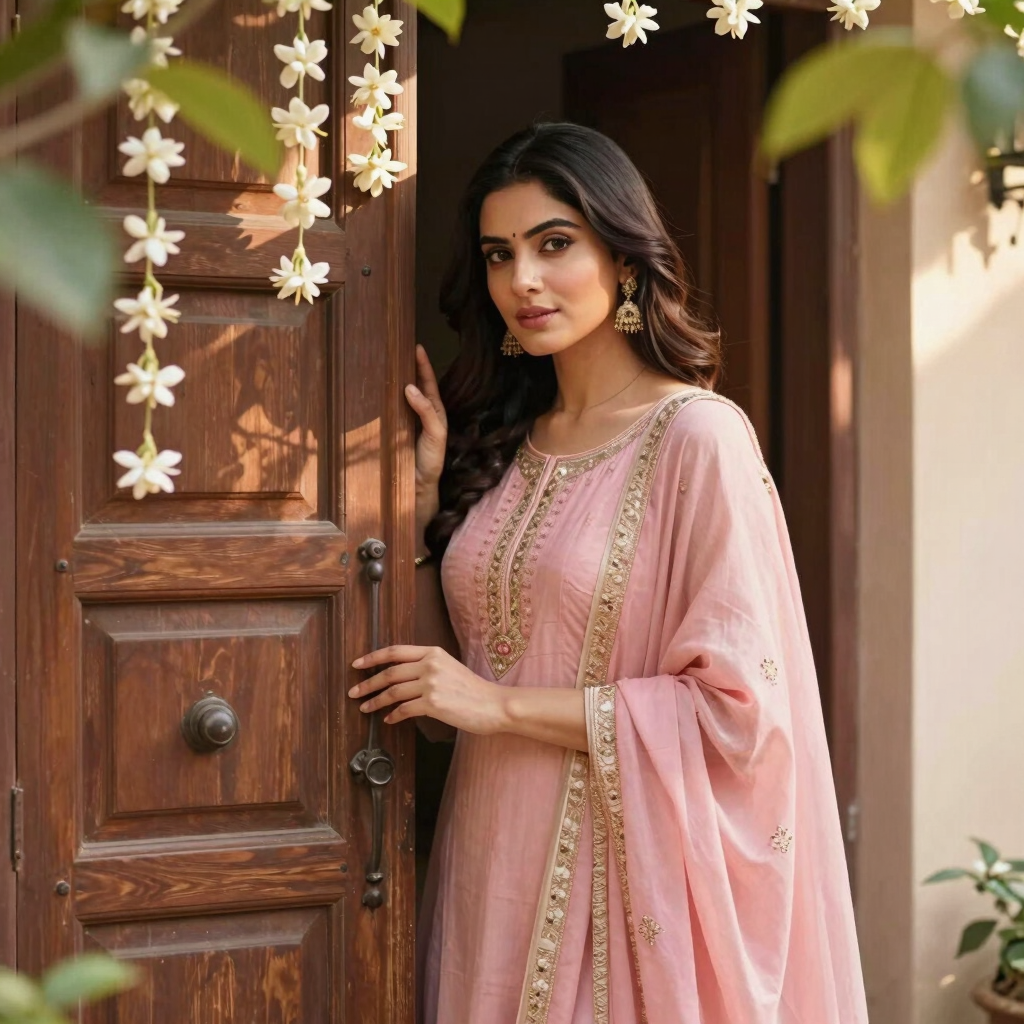
Salwar kameez represents an elegant yet functional style, characterized by its tunic top (kameez) and trousers (salwar). Often accompanied by a shawl or dupatta, this outfit serves as a practical option for daily wear and formal events alike. Its roots in South Asian culture make it an essential choice for varying occasions, providing a blend of comfort and grace.
In recent times, fusion styles have emerged, combining traditional elements with modern aesthetics. Outfits that merge ethnic motifs with contemporary silhouettes cater to diverse tastes, appealing to young fashion enthusiasts. Such creativity highlights the evolution of ethnic wear, allowing individuals to express their heritage while embracing modern trends.
Considering the Occasion
Selecting the perfect ethnic outfit for an occasion requires careful consideration of the event type and its level of formality. Ethnic wear can be incredibly versatile, making it suitable for various celebrations and gatherings. Understanding the nuances of each occasion is vital to ensure you make a positive impression.
For weddings, choose outfits that are vibrant and ornate. Traditional attire such as lehengas, sarees, or sherwanis can make for stunning choices. Opt for rich fabrics like silk and embellishments that reflect the grandeur of the occasion. Pair these ensembles with elaborate jewelry and appropriate footwear to complete the look. Consider the time of the event; day events might allow lighter colors, while evening weddings often call for darker, more dramatic hues.
Festivals are another occasion where ethnic wear shines. During festivals like Diwali or Eid, vibrant colors and festive embellishments are the norms. The focus should be on the celebration, so opt for outfits that encompass brightness and excitement, such as colorful kurtas or embellished gowns. Accessories can include traditional jewelry or items that reflect the cultural significance of the festival itself, providing a personal touch to your attire.
For casual outings, comfort combined with style is key. Ethnic wear like anarkali suits or simple kurtas paired with jeans can offer a perfect balance between tradition and contemporary fashion. These outfits are not overly formal, yet stylish enough to maintain a polished look. Enhance your casual ensemble with minimalistic, yet elegant accessories such as stud earrings or a statement bag, ensuring that they complement rather than overwhelm the outfit.
In contrast, formal events may require a more sophisticated approach. Elegant sarees or tailored sherwanis made from high-quality fabrics will convey an air of professionalism. When attending such events, consider understated and chic accessories that highlight the outfit without drawing attention away from it.
Choosing the Right Fabric and Fit
When selecting an ethnic outfit, the choice of fabric and fit is paramount, as these elements significantly influence both comfort and style. Various materials offer distinct benefits that cater to different occasions and body types. For example, silk is celebrated for its luxurious sheen and smooth texture, making it an ideal choice for formal events. Silk drapes beautifully, enhancing the wearer’s silhouette, while its lightweight nature ensures breathability. However, it is essential to consider the potential for wrinkling and the need for delicate care when opting for silk.
Cotton, on the other hand, is a versatile fabric well-suited for casual settings and warm climates. Its natural fibers provide comfort and allow skin to breathe, making it an excellent choice for day-to-day wear. Cotton ethnic outfits can come in various styles, such as kurtas or lehengas, and can be embellished with intricate patterns, offering style without sacrificing comfort.
An equally stylish option is georgette, known for its flowy, lightweight feel. This fabric is perfect for creating layered looks that enhance movement, making it a popular choice for both casual and semi-formal occasions. Georgette’s slightly transparent nature allows for creative layering, and it can be paired with heavier fabrics for elegant contrast, adding depth to your outfit.
Beyond fabric, the fit of the outfit should also align with the wearer’s body type. A-line cuts tend to flatter almost every figure, gently cinching at the waist and cascading down, while fitted silhouettes might be more suited for those comfortable showcasing their shape. Understanding your body type and selecting styles that accentuate your strengths is crucial to achieving a polished look that exudes confidence.
Accessorizing and Styling Tips
Choosing the ideal ethnic outfit goes beyond simply selecting the garment; accessorizing plays a crucial role in enhancing the overall appeal of the ensemble. Jewelry, footwear, handbags, and hair accessories can all contribute significantly to the finishing touch of any ethnic look. When selecting jewelry, one might consider traditional pieces that resonate with the cultural significance of the attire. For instance, intricate gold or silver jewelry pairs beautifully with sarees, while beaded necklaces can complement more casual ethnic wear. Furthermore, layering necklaces or bracelets can add an element of sophistication and personal flair.
Footwear is another critical aspect where comfort meets style. Traditional juttis or mojaris offer an authentic touch when paired with ethnic outfits, while contemporary designs in neutral shades can provide versatility across various occasions. For a more modern twist, consider opting for embellished sandals or stylish heels that align with the color palette of the outfit.
Handbags should also be chosen with care. Ethnic clutches often serve as a statement piece, making leather or fabric options adorned with embroidery highly sought after. When selecting a handbag, ensure that it complements the outfit without overpowering it; it should enhance the aesthetic without clashing in style or color.
Hair accessories, from traditional maang tikka to modern hairpins, can elevate your look further. Consider your hairstyle and outfit coordination—simple hairstyles provide an excellent opportunity to showcase more elaborate accessories, while intricate hairstyles may work better with understated pieces. Lastly, embracing creative styling methods like draping a dupatta or adding layers can personalize the outfit, making it uniquely yours. These styling tips, when applied thoughtfully, can help create a cohesive and appealing ethnic look for any event.